
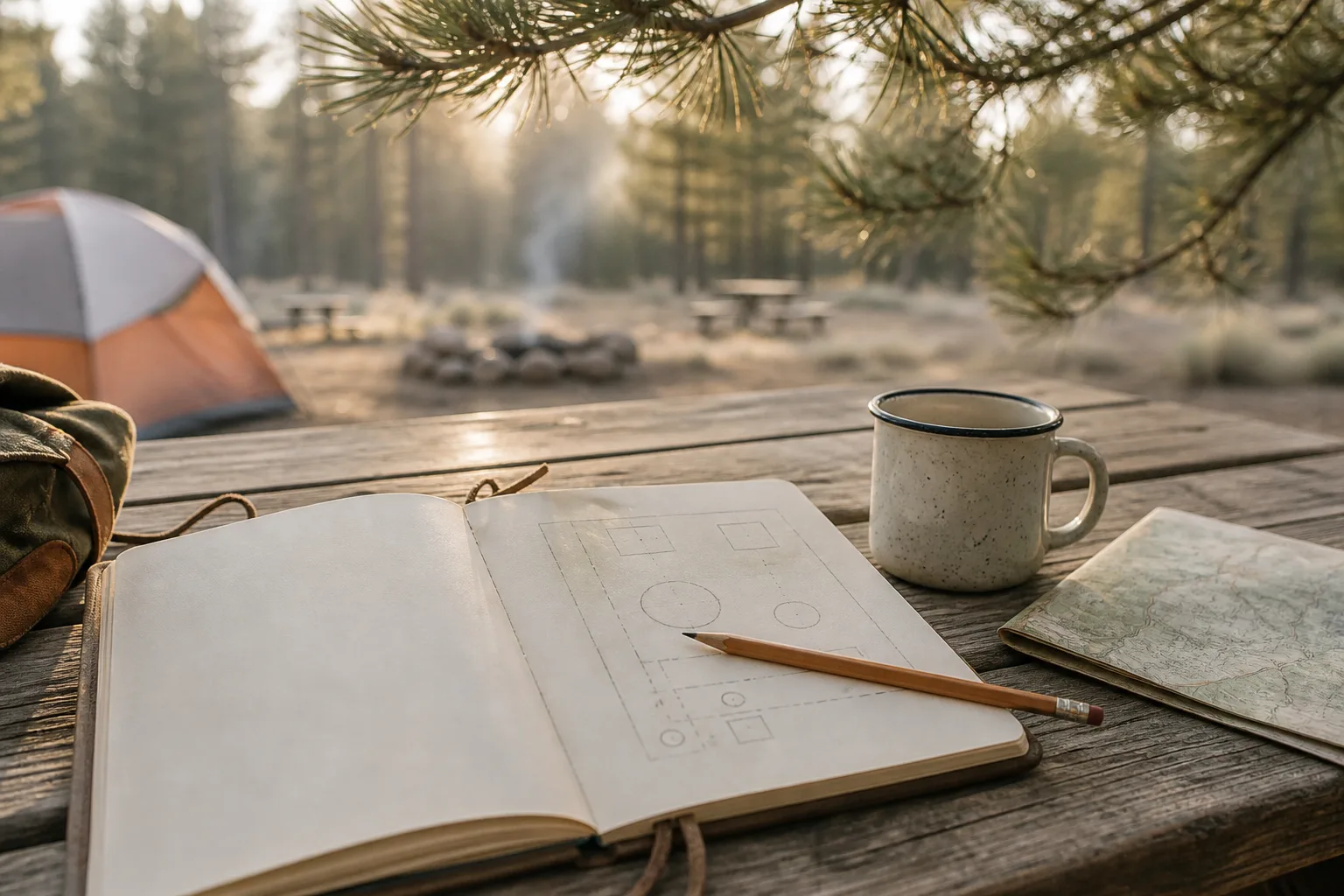
Why we write about nights on shared ground
A desk built from loops, not from brochures.
ferrospinel exists because the useful part of an overnight stop is rarely on the booking page. It lives in the order people follow when the light is failing: where the car stops, how far the next fly sits, when the kitchen empties, and what a host will actually walk the row to enforce. We turn those observations into readable notes and personal consultations.
Beginnings
The project started with a wrong pitch, not a business plan
The idea for ferrospinel did not arrive from a market study. It came from a single evening when one of us set a tent door toward a neighbour’s fly because the view looked better that way. By midnight every sound on the next pad felt personal. By morning the host had left a polite note about walking gaps. That note was clearer than any forum thread we had read, and it named a problem we had not known to ask about.
We kept travelling and kept arriving with the same gap: the gear lists were long, the etiquette posts were vague, and the booking sites described amenities without describing sequence. What we wanted was a plain account of what happens in the first hour, written by people who would sleep on the same gravel afterward. That became the editorial line we still follow.
We chose campgrounds and overnight stops as a focus because they compress a place into a few hours of shared rules. You cannot hide behind a lobby wall. You meet the local order of water, noise, vehicles, and garbage in one evening. For travellers who are capable but unfamiliar, that compression is useful. It is also where most preventable friction happens.
The site is not a directory and not a reservation tool. We do not promise a platform where you click and arrive. We publish field notes, compare layouts, and answer messages from people who want the overnight portion of a route explained before they occupy a pad. That scope has stayed narrow on purpose. Narrow work can be checked.
Editorial method
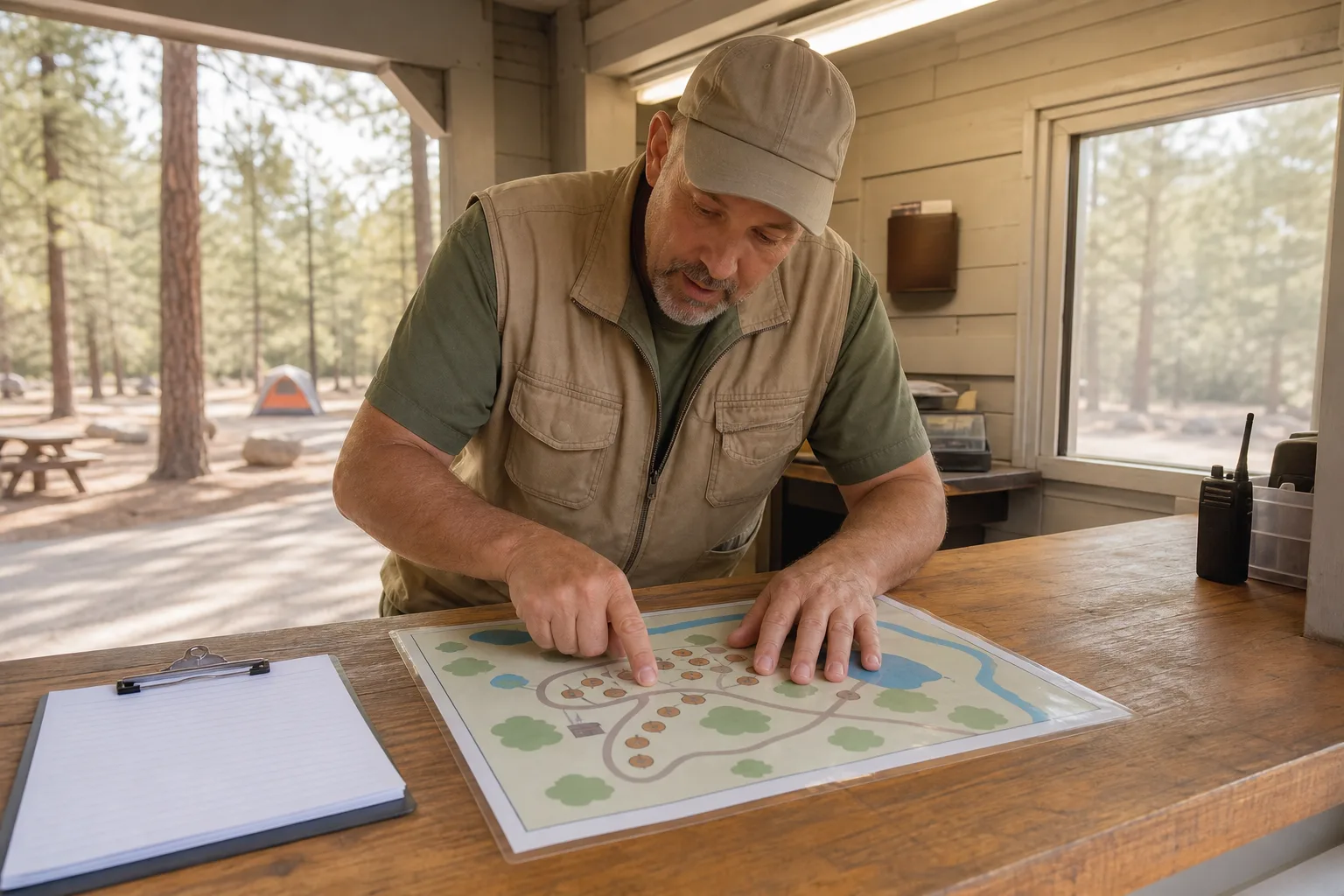
How a note becomes something we are willing to publish
Every article and consultation draw from the same pipeline. A visit starts with a blank sketch of the loop: vehicle paths, pad numbers, water points, kitchen shelter, wash block, and the direction of the prevailing wind when we can observe it. We write while still on site because memory smooths over the awkward details, like where the posted grey-water drain actually sits.
Before publication, a second editor who was not on that trip reads the draft against the sketch. They ask practical questions: Could a first-time traveller follow this without guessing? Did we mark what must happen before dark? Did we name the sound and light realities without dressing them up? If the answer is no, the draft goes back for another pass.
We also call hosts when a rule is unclear. Not every host picks up, and not every answer survives the season. When we cannot verify a detail, we say so in the text instead of filling the gap with confidence. Readers deserve to know which sentences come from a conversation last week and which come from a pattern we have seen often but cannot guarantee tonight.
Photographs and diagrams on the site are placeholders until our own images are ready. Alt text is written as a brief for a future frame so the page still describes what we mean to show. That keeps the layout honest while the visual archive catches up with the notebooks.
Consultations
From your first message to a plan you can run on arrival
Consultations are not a chatbot and not a booking service. They are a structured conversation about the overnight portion of a trip you already intend to take. The steps below are what happens after you write to us through the contact page.
-
Tell us the ground you booked
We ask for the type of site, who is travelling, and what worries you most: noise, water access, a first night with children, a generator, or a tight arrival time. We do not need a perfect itinerary. We need the part of the route where you will sleep on shared ground.
-
We match the layout to our notes
An editor pulls comparable loops from our field archive and checks recent host guidance where we have it. If your site is unfamiliar, we say that upfront and widen the questions we suggest you ask on arrival.
-
You receive a timed first-hour outline
The plan lists what to do before cooking, where to park, when to visit shared sinks, and what to prepare for quiet hours. It is written in order, not as tips, because order is what newcomers lack.
-
Follow-up stays practical
If your route changes, you can write back. We adjust the sequence rather than sending generic reassurance. We also remind you to confirm fire, water, and generator rules with the host on the day, because those can change faster than our last visit.
On the ground
How we expect travellers to behave on shared overnight ground
You are borrowing a slice of a place that other people treat as routine. Courtesy here is mostly spacing, timing, and cleanup—not charm.Editorial note carried on every consultation summary
- Space
- Keep a full walking gap between tents where the loop allows it. Do not let guylines cross paths people use after dark. Park so the aisle stays open when your neighbours arrive later than you. Space is the first signal that you understand shared ground.
- Sound
- Quiet hours are observed literally on many loops. Voices, phones, and generators travel through fabric. If you must finish a task after hours, do it with light and motion that stays inside your pad. Arguing with a host about decibels rarely ends well for the visitor.
- Water and waste
- Use posted drains for grey water. Carry out what you brought if the site has no reliable bins. Leave sinks and picnic tables cleaner than you found them, even when others did not. The next person often arrives tired and notices immediately.
- Local people
- Hosts and neighbours are not part of your trip scenery. Greet simply, ask where rules are posted, and accept corrections without debate. Permanent residents nearby may depend on the same water and quiet you do for one night.
Partners
Who we work with and how we choose them
We mention partner organisations when their work helps us verify overnight conditions: host training groups, trail conservancies, and small cooperatives that maintain loops we return to. These names are not sponsorship badges. They are sources we cross-check against our own visits.
A partner must allow independent notes. If a group asks us to soften fire, noise, or capacity realities, we decline. We also avoid partners whose business model depends on overselling a site. Our readers are usually trying to avoid surprises, not to be talked into a booking.
Current fictional partners in our archive include the Highline Host Cooperative, which trains loop hosts on arrival sequencing; the Mesa Trail Conservancy, which shares seasonal water and fire updates for tent-only camps; and the Clear Span Field Network, a small alliance of overnight pull-offs that publishes drainage maps. We still tell readers to verify details on arrival because even good partners operate on human schedules.
If you represent a host organisation and believe our notes misstate a loop, write to us with the posted rules and we will review the page. Corrections are part of the work. Overnight ground changes, and our loyalty is to accurate sequence, not to a static paragraph.
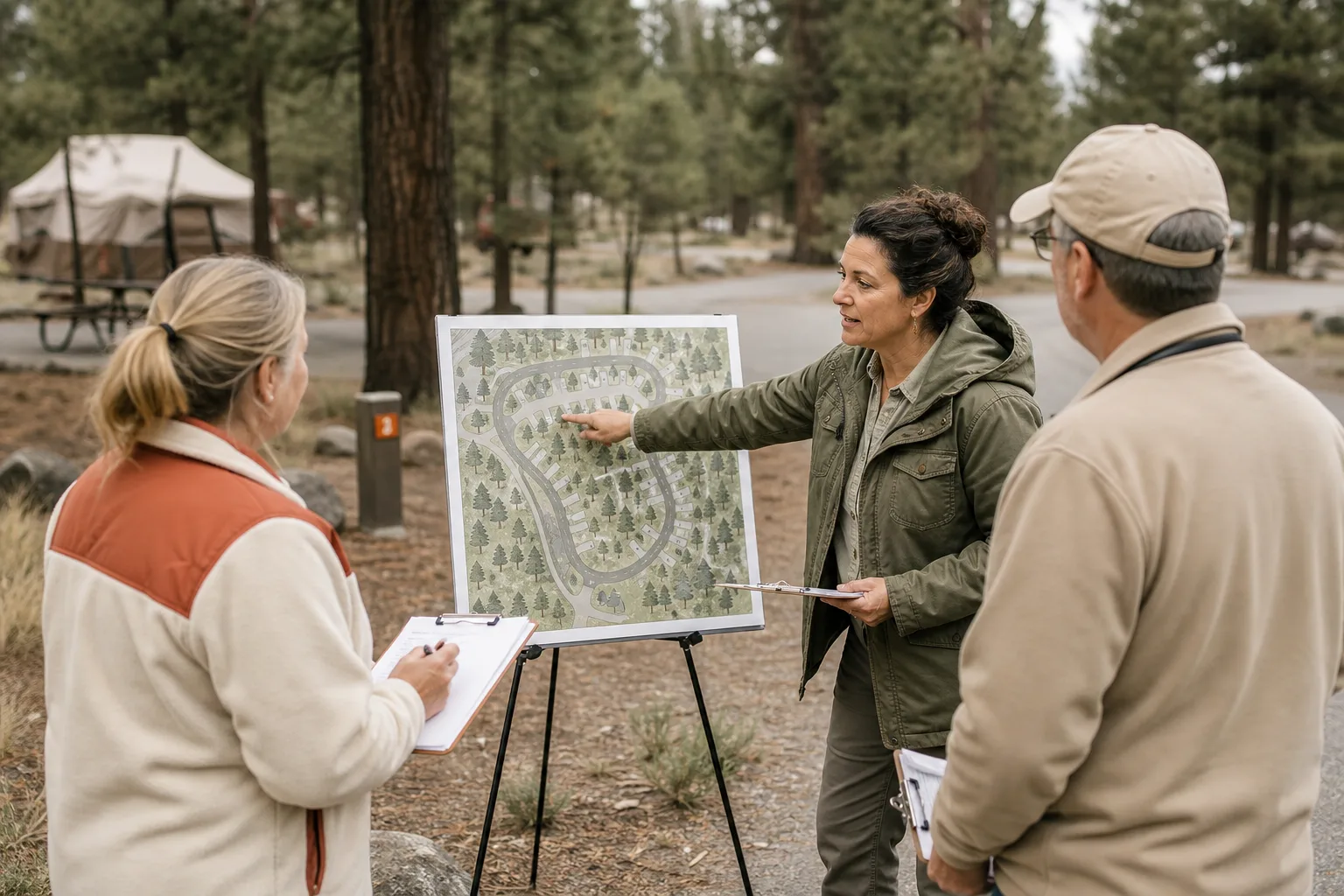
Ask us about the overnight before you pack the car
If you want a first-night sequence matched to the kind of pad you booked, send a message. We answer as consultants and keep the conversation on shared ground, not on selling a trip.
Contact UsRead the field notes we publish between visits
Articles on ferrospinel go deeper on one problem at a time: choosing a pad, using a shared kitchen, or timing an arrival before dark. They follow the same editorial checks as our consultations.
Learn MoreHow to read these pages
ferrospinel provides consultations and practical notes on overnight campgrounds, tent pads, motorhome stops, and the shared ground that comes with them. The information on this site is meant to introduce those services and to describe how such places tend to work. It is not a substitute for the posted rules of a specific host, land manager, or campground.
Tent walls, weather, water, and walking distances affect comfort. For questions about health, cold exposure, physical strain, or whether a given overnight is appropriate for you, speak with qualified specialists. We do not diagnose, treat, or advise on medical matters.
Conditions change between visits. Hours, fire restrictions, water shutoffs, generator windows, and pad availability should be confirmed again with the people who run the ground you are about to occupy. Decisions you make on the road, including where you stop and how you use shared facilities, remain your own.